

- Newsletter
- If you need tea products, please contact us
- Company
- Da"an (Jimu Lake), Fengxi Village, Fenghuang Town, Chao"an District, Chaozhou City


The ancient tea trees on Phoenix Mountain grow with twisted, gnarled branches, and their weathered trunks bear patterns that tell a millennium-old epic of tea. The story of Dancong tea is said to begin at the end of the Southern Song Dynasty, with a legendary cup of tea that once saved a sovereign. According to folklore, as Wen Tianxiang led his troops through the Phoenix Mountain range, the She ethnic villagers offered wild tea to relieve their fatigue. After Emperor Zhao Bing of Song tasted it, he praised it highly and bestowed upon it the royal title of “Song Tea.” Though this legend lacks formal historical documentation, it has been passed down orally among the locals of Phoenix Mountain. Today, the surviving “Song Dynasty Ancient Tea King” tree, over 600 years old, stands as a living testament to this history.
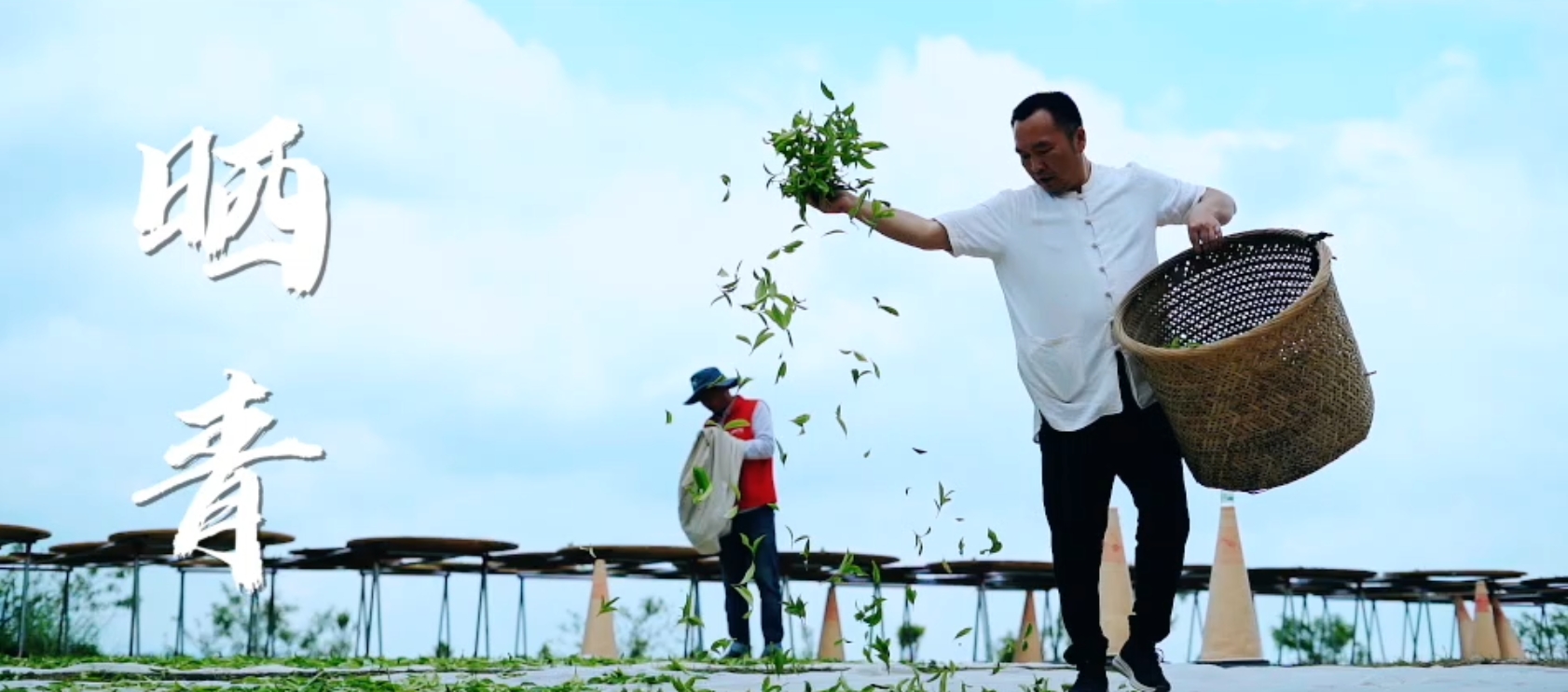
The Ming Dynasty was a pivotal period in the development of Dancong tea-making techniques. According to the Chaozhou Prefecture Gazetteer, “Most residents of the Phoenix Mountain area were engaged in tea cultivation,” and the foundational processes of withering, rolling, and firing were already established. Tea farmers began selecting and cultivating individual bushes based on differences in shape and aroma, giving rise to the name “Dancong,” which means “single bush.” By the Xianfeng period of the Qing Dynasty, a specialized tea market had already formed in Phoenix Town, and Dancong was shipped by waterways of the Han River to various regions in Chaoshan, closely intertwined with regional Gongfu tea rituals. In the guild halls of Chaozhou's Eight Counties at the time, tea masters would often gather to taste and discuss tea, using terms like “honey rhyme” and “orchid fragrance” to describe the diverse flavors of Dancong. This precise vocabulary marked the maturation of Dancong tea appreciation culture.
The turbulence of the Republican Era could not dampen the aroma of tea. In 1938, professors from Sun Yat-sen University’s College of Agriculture visited Phoenix Mountain and systematically recorded 12 varieties of Dancong tea for the first time in their study, An Investigation of Lingnan Tea. During the War of Resistance Against Japan, after Chaoshan was occupied, tea farmers risked their safety to protect the ancient tea trees, wrapping seeds in tung-oil cloths and hiding them in mountain caves to preserve these precious strains. After the founding of the People’s Republic of China, the government organized tea farmers into cooperatives and opened new tea gardens, leading to a significant increase in Dancong tea production. In 1955, Phoenix Dancong was presented as a national gift to the Soviet Union, marking its debut on the international stage.
China’s Reform and Opening-Up infused Dancong tea with renewed vitality. In the 1980s, Phoenix Town established the country's first dedicated Dancong marketing center, and traditional charcoal roasting was combined with modern mechanical preliminary processing. In 1996, “Phoenix Dancong Tea” gained National Geographical Indication certification, solidifying its recognized quality. In the 21st century, scientific research has brought new vitality: the Tea Research Institute of the provincial academy built a breeding base, developing drought- and disease-resistant varieties through hybridization; space-breeding technology has even launched Dancong tea breeds on a journey to explore the cosmos.
Today, Dancong tea has developed a complete industry chain—from ecological tea gardens to smart processing factories, from traditional teashops to e-commerce livestreams. These ancient tea varieties have found a new place within the modern commercial landscape. Every year, during the spring harvest, a tea culture festival is held on Phoenix Mountain, with farmers dressed in traditional clothing demonstrating handcrafting techniques. Young tea enthusiasts use short videos to document the transformation from fresh leaves to dry tea, ensuring the story of Dancong continues to spread in new media.
Chaozhou accompany-yun Tea Co., Ltd. plays a significant role in this thousand-year legacy of tea. As a principal drafter of the Phoenix Dancong tea geographical indication standards, its “Phoenix Mountain Outer Hills” brand preserves the essence of ancient craftsmanship while integrating modern scientific advancements, making this millennia-old aroma all the richer and more enduring in the new era.
Some content is reposted from the internet. Copyright belongs to the original authors. If infringement occurs, please contact us for removal. Content involving franchising or investment carries risks - exercise caution when making decisions.

